
If you could have dinner with any philosopher, who would it be?
If I were to invite Confucius to dinner, I would keep the table simple and respectful of what he knew. I imagine serving warm rice, steamed greens,

tofu, and a clear vegetable broth, the kind of balanced meal that would have felt familiar in his own time.

For pudding, I would offer a soft steamed pear with a touch of honey, something gentle and comforting. And perhaps, right at the end, I would give him a small spoonful of ice cream. A taste he could never have experienced in his lifetime, and a quiet reminder that even the wisest among us can still be surprised.
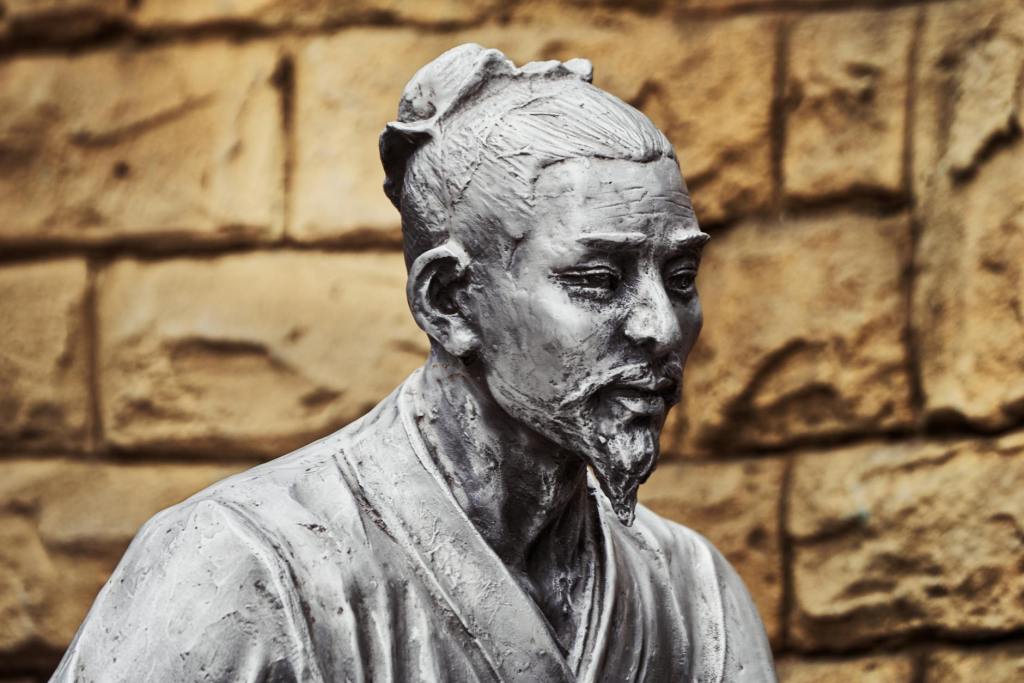
When I think about the kind of wisdom that still feels steady and usable today, I return to Confucius. His teachings were never lofty theories. They were practical ways of living with integrity, kindness, and a sense of responsibility to others.
He believed that true leadership begins with moral character. He expected this from rulers and world leaders, yet he also taught that it starts much closer to home. If a person cannot govern their own behaviour with honesty and humility, they cannot hope to guide a household. A society follows the same pattern. Harmony grows from the inside out.
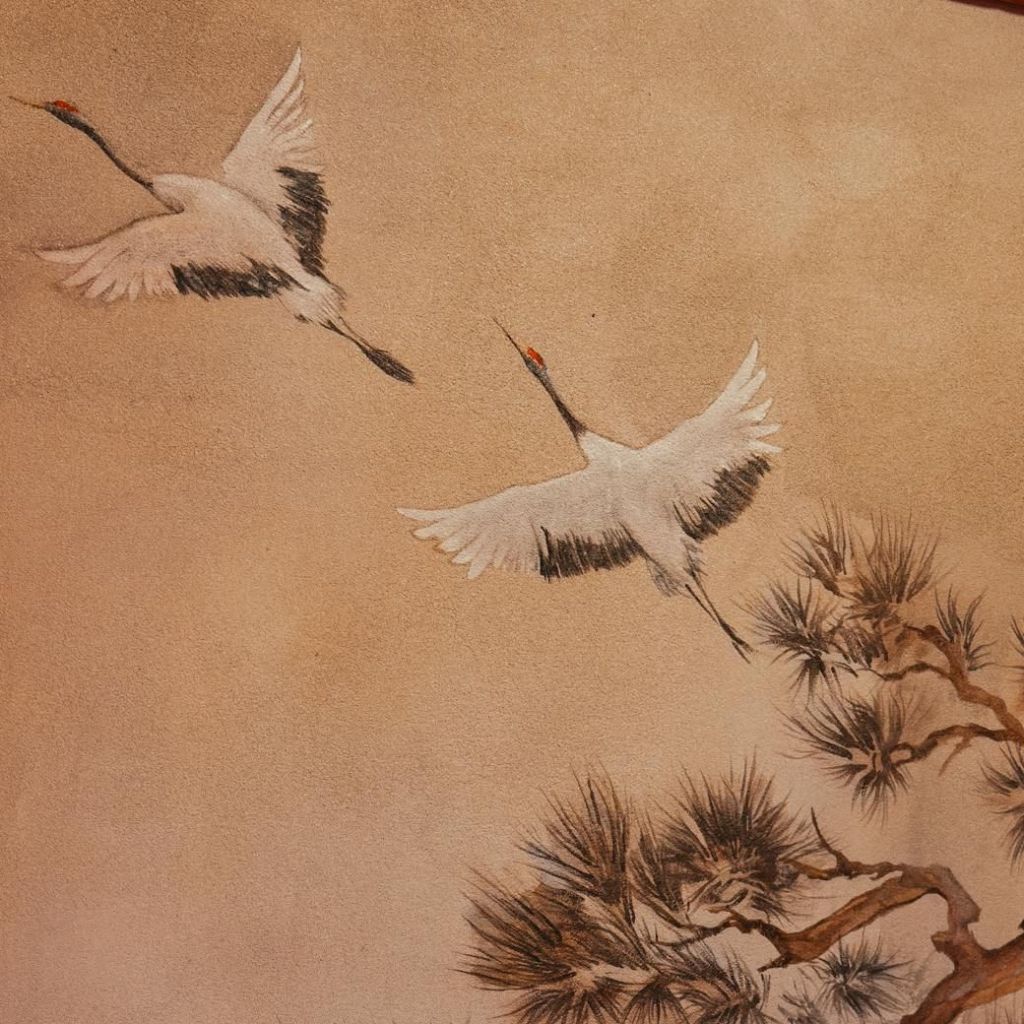
What I admire most is his belief that learning is a lifelong and joyful journey. It is not a performance and not a competition. It is a daily practice of cultivating wisdom, tempering ego, and becoming a better human being.
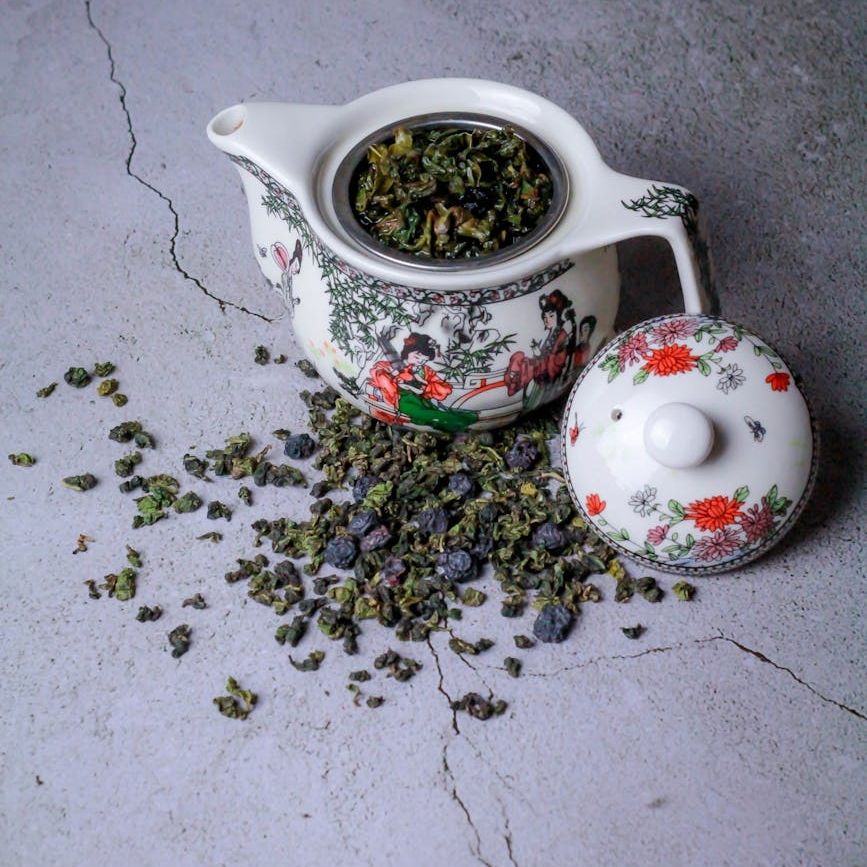
There is a saying of his that has always stayed with me: “When I walk with two others, each serves as my teacher.” One person shows him qualities worth cultivating. The other reveals traits he should soften or let go. It is a simple idea, yet it captures the heart of his philosophy. Everyone we meet can help shape our character if we are willing to pay attention.
Confucius reminds me that becoming a better person is not a destination. It is a rhythm, a practice, and a quiet commitment to living with purpose.
Confucius, 551 BC to 479 BC


You must be logged in to post a comment.