How has a failure, or apparent failure, set you up for later success?
“You may encounter many defeats, but you must not be defeated. In fact, it may be necessary to encounter the defeats, so you can know who you are, what you can rise from, how you can still come out of it”
What experiences in life helped you grow the most?
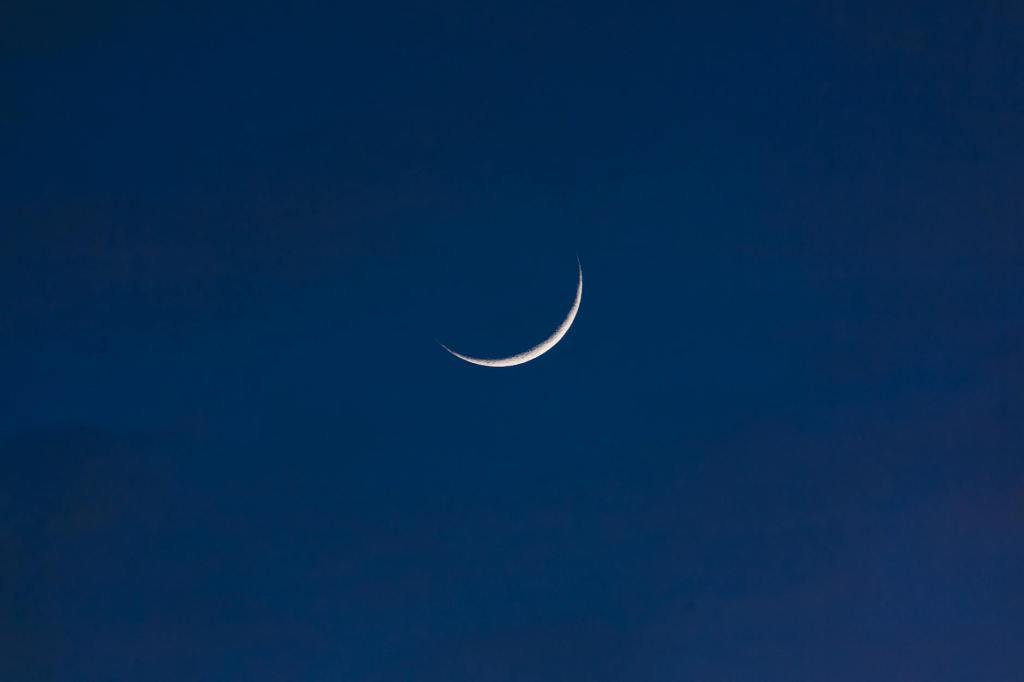
“There is a crack in everything.That’s how the light gets in” Leonard Cohen ( 1934~2016)
Some questions make it sound as though growth comes from a few big, defining moments. As if we’re meant to point to the dramatic scenes and say, there… that’s where I changed. But most of the time, we’re growing in quieter ways.
There are the cracks life gives us without warning. Loss, change, surprise. They open something in us, and the light finds its way through before we’ve even had time to steady ourselves.
There are the tiny cracks, too, the ones we barely notice at the time. A kindness that shifts your mood. A disappointment that slows your pace. Small openings that don’t feel like lessons, yet they soften us all the same.
And there are the cracks we choose. The boundary we finally hold. The truth we stop swallowing. The moment we walk away from something that no longer fits. These openings carry their own quiet courage, and the light that enters through them feels earned.
Together, they shape us. Not in neat chapters, not in grand arcs, but in a steady, ongoing way. Big moments open us. Small moments shape us. All of them let the light in.
And maybe that’s enough to notice for now — the way the light finds us, softly, through whatever openings we have.
Different cultures use a different language to explain why a life unfolds in a particular way, but the underlying ideas are surprisingly consistent. Fate refers to the conditions we do not choose: the circumstances of birth, the limits, and advantages that shape our starting point. Destiny refers to what develops through our decisions, values, and actions, the direction we grow into as we become ourselves.
Between these two sit the unpredictable element: the chance events, timing, and small choices that can alter the course of a life. Modern science calls this chaos, though older traditions recognise the same principle without naming it.
Despite their differences, most belief systems agree on one thing. Life is influenced by forces outside our control and by the choices we make, and the meaning of a life emerges in the interaction between the two.We are never entirely determined and never entirely free. We live in the space between what we inherit and what we create.
Describe a phase in life that was difficult to say goodbye to.
Caitlin Moran is an English author, writer, and broadcaster.
It was a long time ago now, but she wrote something in one of her weekly columns, which resonated and has stayed with me.
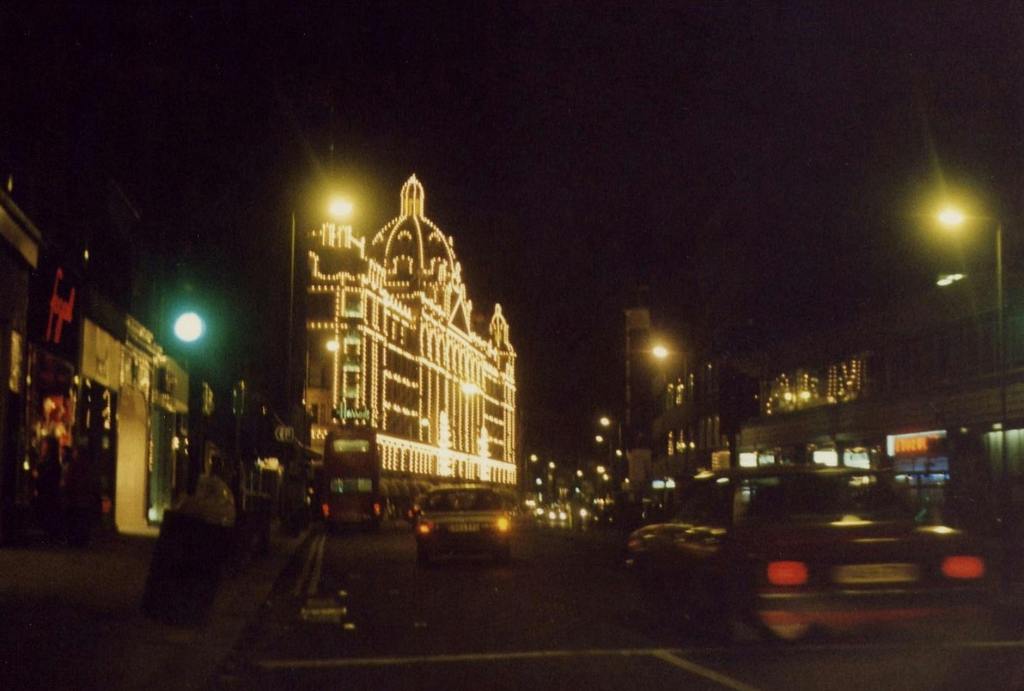
‘shutting the door behind me and heading into the night’
I, too, was that young woman leaving the family home early evening to catch a bus into Birmingham (UK) with no idea how the night would unfold. The city night scene was busy in those days, lots going on. Vibrant, welcoming, exciting.
Describe the most ambitious DIY project you’ve ever taken on.
My biggest DIY project has never involved a hammer, a paintbrush, or a YouTube tutorial. It has been me, growing up without guidance, without a blueprint, without the scaffolding of family or social support. I built myself from whatever scraps of stability I could find. I learned by doing, by failing, by getting back up, and by trusting that forward was the only direction available.
For years, I didn’t see it as a project at all. It was just survival. But now, in later life, I can finally step back far enough to see the whole picture: the joins, the seams, the improvisations, the quiet triumphs. As Soren Kierkegaard wrote, “Life is understood backwards, but it must be lived forwards.” Only now do I understand the truth of that.
David Bowie said the best part of getting older is that you become who you always were. He was right. I didn’t arrive here by accident. I carved my way here. And now, with the noise behind me, I can finally see the shape of the woman I’ve been building in the dark for decades: steady, unborrowed, unmistakably myself. Not new. Just finally visible.
This DIY project is ongoing. There are still loose ends and unfinished corners, and there always will be. But the structure holds. I hold. And what stands today is a life built from resilience, instinct, and a kind of courage I had to teach myself one day at a time. It turns out the bravest thing I ever built was myself.
Author’s Note Written in recognition of the woman I became, and the long road it took to meet her.
What is the biggest challenge you will face in the next six months?
The Power of the Dog
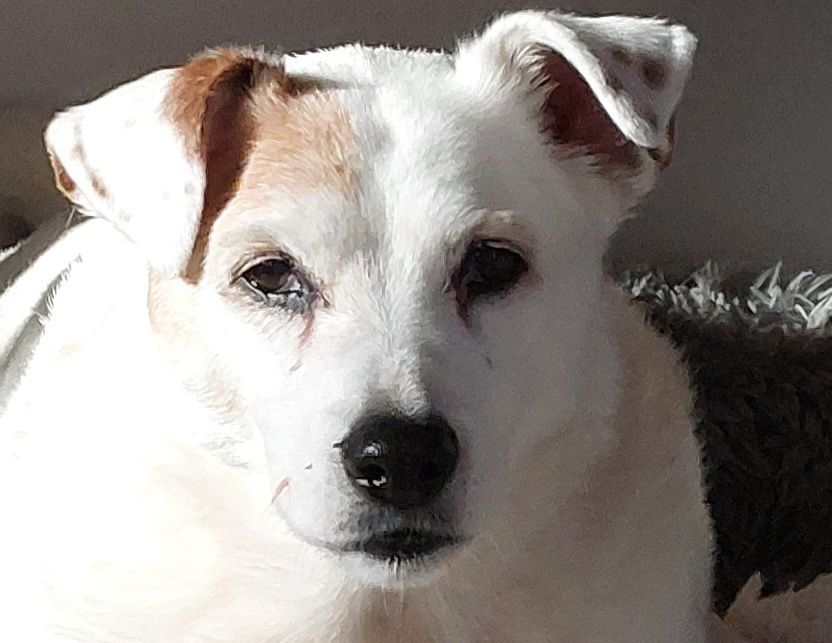
There is sorrow enough in the natural way From men and women to fill our day; And when we are certain of sorrow in store, Why do we always arrange for more? Brothers and Sisters, I bid you beware Of giving your heart to a dog to tear.
Buy a pup and your money will buy Love unflinching that cannot lie— Perfect passion and worship fed By a kick in the ribs or a pat on the head. Nevertheless it is hardly fair To risk your heart for a dog to tear.
When the fourteen years which Nature permits Are closing in asthma, or tumour, or fits, And the vet’s unspoken prescription runs To lethal chambers or loaded guns, Then you will find—it’s your own affair— But… you’ve given your heart to a dog to tear.
When the body that lived at your single will, With its whimper of welcome, is stilled (how still!). When the spirit that answered your every mood Is gone—wherever it goes—for good, You will discover how much you care, And will give your heart to a dog to tear.
We’ve sorrow enough in the natural way, When it comes to burying Christian clay. Our loves are not given, but only lent, At compound interest of cent per cent. Though it is not always the case, I believe, That the longer we’ve kept ’em, the more do we grieve: For, when debts are payable, right or wrong, A short-time loan is as bad as a long— So why in—Heaven (before we are there) Should we give our hearts to a dog to tear?





You must be logged in to post a comment.